

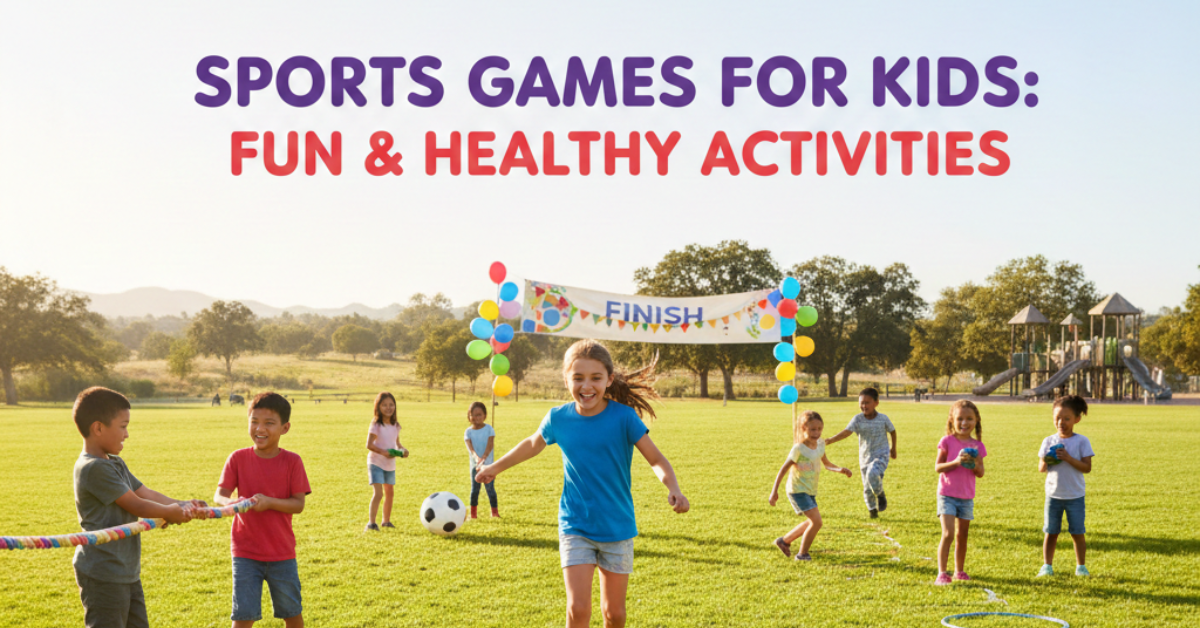
When kids run, jump, laugh, and compete, something magical happens. They aren’t just burning energy—they’re building confidence, friendships, and lifelong healthy habits. That’s why sports games for kids matter more than ever in today’s screen-heavy world.
Whether you’re a parent, teacher, coach, or caregiver, finding the right sports activities for kids can feel overwhelming. In this guide, we’ll break down the best kids sports activities, exciting sports events for kids, and practical ideas to help children stay active, engaged, and happy.
Why Sports Games for Kids Are So Important
Before we dive into specific games, let’s talk about why they matter.
Research from organizations like the American Academy of Pediatrics and the Centers for Disease Control and Prevention consistently shows that regular physical activity helps children:
-
Improve cardiovascular health
-
Build stronger bones and muscles
-
Maintain a healthy weight
-
Develop social skills
-
Reduce stress and anxiety
-
Boost academic performance
In other words, sports activities for kids support both body and mind.
Best Outdoor Sports Games for Kids
Outdoor play encourages freedom, teamwork, and creativity. These classic and modern options work well for parks, backyards, and school playgrounds.
1. Soccer Challenges
Soccer remains one of the most accessible kids sports activities worldwide. You only need a ball and some open space.
Try:
-
Dribble obstacle courses
-
Penalty kick contests
-
3v3 mini matches
-
Skill relay races
It improves coordination, endurance, and teamwork.
2. Relay Races
Relay-style sports games for kids are perfect for large groups.
Ideas include:
-
Sack races
-
Spoon-and-ball races
-
Hurdle runs
-
Water-cup relays in summer
Relays promote cooperation and friendly competition while keeping energy high.
3. Capture the Flag
This high-energy game blends strategy with movement. Kids learn teamwork, quick thinking, and agility.
Benefits:
-
Improves speed and stamina
-
Encourages communication
-
Strengthens group bonding
It’s one of the most engaging sports activities for kids in school camps and community programs.
Indoor Sports Activities for Kids
Rainy day? No problem. You can still organize exciting sports events for kids indoors.
1. Mini Basketball
Using adjustable hoops makes basketball accessible for younger children. Organizations like the YMCA often recommend modified equipment for safer youth sports.
Skills developed:
-
Hand-eye coordination
-
Balance
-
Team strategy
2. Gymnastics Circuits
Set up activity stations:
-
Forward rolls
-
Balance beam walks
-
Jumping drills
-
Stretch routines
These kids sports activities improve flexibility and strength while building body awareness.
3. Dance-Based Fitness Games
Combine music and movement for an engaging experience. Structured dance sessions improve rhythm, endurance, and confidence—especially for kids who may not enjoy competitive sports.
Organized Sports Events for Kids
Structured kids sports events teach discipline and sportsmanship while giving children clear goals to work toward.
Popular Options Include:
-
Community fun runs
-
Little league tournaments
-
School sports days
-
Martial arts belt ceremonies
-
Swimming meets
Events don’t need to be ultra-competitive. Many communities now host “participation-based” sports events for kids, where fun and involvement matter more than winning.
Age-Appropriate Sports Games for Kids
Choosing the right activity based on age prevents injuries and frustration.
Ages 3–5 (Preschool)
Focus on fundamental movement skills:
-
Throwing and catching
-
Running games
-
Obstacle courses
-
Balloon volleyball
At this stage, the goal is exploration—not competition.
Ages 6–9 (Elementary)
Kids begin understanding structure and rules. Great sports activities for kids in this group include:
-
Soccer
-
T-ball
-
Basketball
-
Track-and-field mini events
Skill-building becomes more important while keeping it fun.
Ages 10–13 (Pre-Teens)
Now children can handle more structured competition. Options include:
-
Team leagues
-
Competitive swimming
-
Tennis
-
Martial arts tournaments
This stage builds resilience and teamwork.
How to Make Sports Games for Kids More Engaging
Even the best games can fall flat without proper planning. Here’s how to keep excitement high:
-
Keep instructions simple
-
Rotate roles frequently
-
Celebrate effort, not just wins
-
Keep sessions short and energetic
-
Ensure safety first
You can refer to safety guidelines from the National Athletic Trainers’ Association for proper hydration, warm-ups, and injury prevention tips.
Benefits Beyond Physical Health
The real magic of kids sports events goes deeper than fitness.
1. Confidence Building
Scoring a goal or completing a relay boosts self-esteem.
2. Social Development
Team activities teach cooperation and conflict resolution.
3. Emotional Regulation
Regular movement reduces stress and improves mood.
4. Leadership Skills
Rotating captains or team roles fosters responsibility.
Sports help shape character just as much as muscles.
Tips for Parents and Coaches
If you’re organizing sports games for kids, keep these in mind:
-
Encourage multi-sport participation rather than early specialization.
-
Avoid intense pressure or over-competition.
-
Ensure proper hydration and rest.
-
Communicate openly with kids about how they feel.
A positive sports experience in childhood often leads to lifelong fitness habits.
FAQs About Sports Games for Kids
1. What are the best sports games for kids at home?
Simple backyard games like mini soccer, obstacle courses, relay races, and tag variations work great at home. Indoor balloon volleyball and hallway bowling are also fun options.
2. How often should kids participate in sports activities?
According to public health guidelines, children should get at least 60 minutes of moderate to vigorous physical activity daily.
3. Are competitive sports events for kids healthy?
Yes—when done appropriately. The focus should remain on learning, teamwork, and development rather than intense pressure to win.
4. What sports are safest for young kids?
Non-contact sports such as swimming, gymnastics, track events, and beginner-level soccer are generally safe when supervised properly.
5. How can I organize small kids sports events?
Start simple:
-
Choose 3–5 easy games
-
Create small teams
-
Offer participation certificates
-
Keep the event under two hours
Community parks, schools, and recreation centers are ideal venues.
Conclusion: Start Building Active, Confident Kids Today
The best sports games for kids don’t require expensive equipment or elite coaching. What they need is encouragement, structure, and a positive environment.
From backyard relay races to structured kids sports events, every activity builds strength, resilience, and confidence. Regular sports activities for kids set the stage for healthy habits that can last a lifetime.
If you’re ready to take the next step:
-
Explore youth leagues in your community
-
Check local recreation centers
-
Read safety guidelines from trusted health organizations
-
Create your own mini sports day at home