

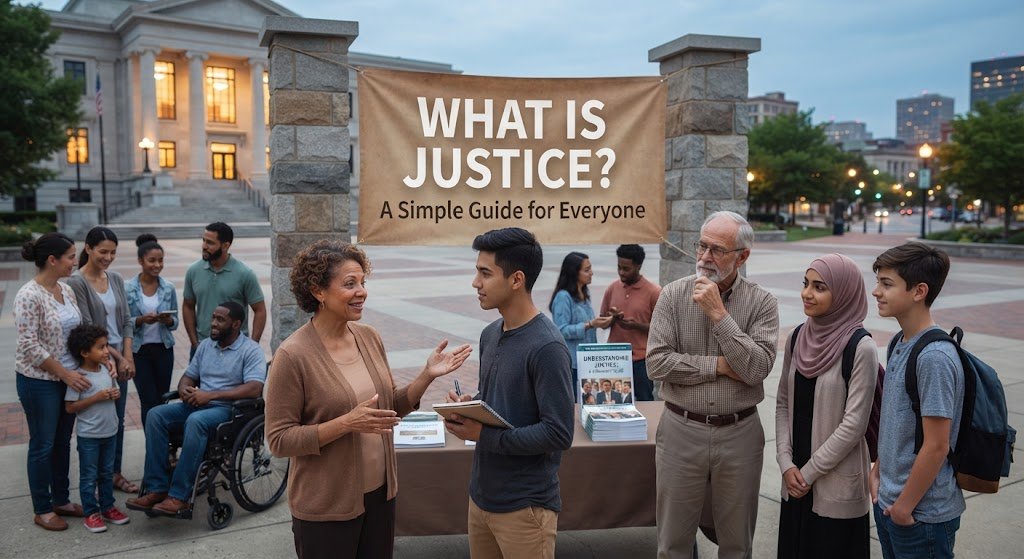
Justice is a big word, but it has a very simple and powerful meaning. At its heart, justice is all about treating everyone fairly and making sure people get what is right. Imagine you are sharing a delicious chocolate cake with your best friends. If you cut the cake into equal pieces so that everyone gets a fair share, you are practicing a form of justice. It means making sure no one gets left out and that everyone plays by the same rules. When we talk about justice, we are talking about kindness, honesty, and making sure the world is a good place for all people to live in together.
Think about a time when you played a game on the playground. Did you feel upset when someone cheated or cut in line? Of course you did! That feeling happens because human beings have a natural sense of justice built right inside them. We all want things to be fair. True justice means that rules protect everyone, not just a few people. It means listening to both sides of a story before making a choice. By understanding what justice looks like in our daily lives, we can become better friends, better helpers, and better citizens who make our schools and neighborhoods shine.
Why Fairness Matters Every Single Day
Fairness is the building block of every happy community. When people feel treated fairly, they feel safe and happy. Imagine a classroom where the teacher lets one student break all the rules while everyone else follows them. That would not feel right at all, would it? Practicing justice means everyone follows the same guidelines, and everyone gets a chance to speak and be heard. It is about making sure that school is a place where every single student feels valued and respected, no matter who they are.
Being Fair on the Playground
The playground is a wonderful laboratory for learning about justice. When you share the swings, take turns on the slide, and include new kids in your games, you are acting with justice. Sometimes, games can have arguments over who scored a point or whose turn is next. Instead of getting mad, taking a deep breath and talking it out helps restore justice. By treating others the way you want to be treated, you turn the playground into a joyful and welcoming space for everyone.
Rules and Why We Need Them
Some people think rules are boring, but rules are actually designed to protect our justice. Think about the rules of traffic on the road. Red means stop, and green means go. If people ignored these rules, chaos would happen, and people could get hurt. Rules give us a safe framework so we know what to expect. When rules are applied fairly to everyone, they create a peaceful environment where trust can grow and everyone can thrive together.
Standing Up for Your Friends
Have you ever seen someone being teased or treated unfairly? It is a hard moment, but standing up for your friend is one of the bravest ways to show justice. You do not have to be loud or mean to make a difference. Sometimes, just walking over, saying “leave them alone,” and inviting your friend to play somewhere else is enough. When you defend someone who cannot defend themselves, you become a real-life hero of justice in your school.
Listening to Both Sides
True justice never jumps to conclusions right away. If two friends are fighting over a toy, a fair person will listen to what the first person has to say, and then listen to the second person too. Rushing to judge someone usually leads to mistakes. Taking the extra minute to hear both stories shows respect and wisdom. It proves that you care about the truth more than just winning an argument.
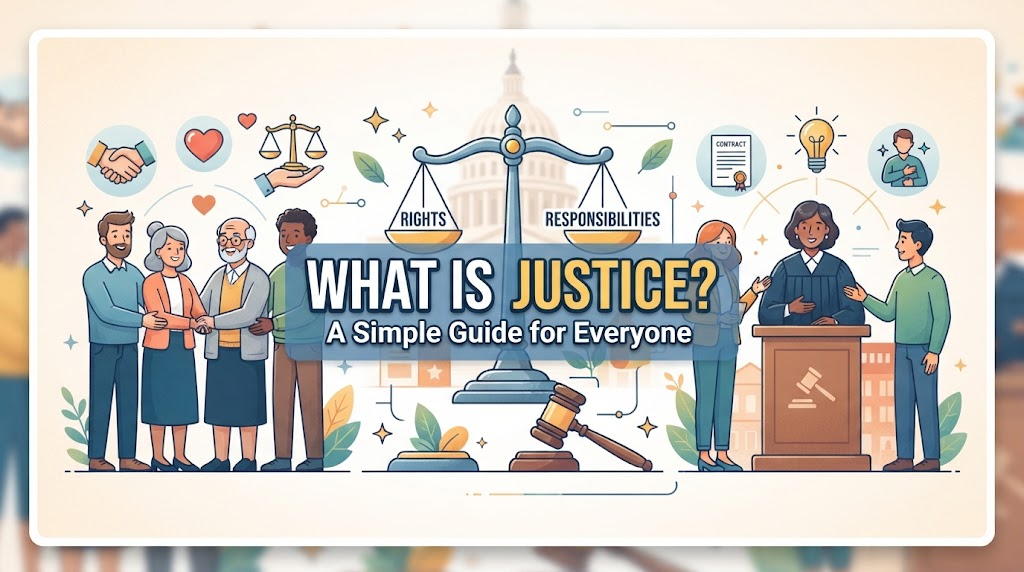
Sharing and Caring for Others
Sharing is a simple habit that teaches our hearts about justice. Whether it is sharing your crayons, your lunch, or your time to help someone study, these small actions matter deeply. When we share, we show that we care about our community’s well-being. Justice lives in the little things we do every day to make sure our friends and neighbors feel supported and loved.
Biography Spotlight: Inspiring Champions of Fairness
To truly understand how powerful justice can be, it helps to look at people who spent their lives fighting for it. Here is a quick look at three amazing figures from history who stood up for fairness:
| Name | What They Did | Why They Matter |
| Martin Luther King Jr. | Led peaceful marches for civil rights. | He taught us that everyone deserves equal rights and fair treatment, no matter the color of their skin. |
| Mahatma Gandhi | Used peaceful protest to fight for freedom. | He showed the world that kindness and truth are stronger weapons than anger or violence. |
| Rosa Parks | Refused to give up her bus seat. | Her bravery sparked a massive movement for fairness and changed history forever. |
How You Can Practice Justice Today
You do not have to wait until you grow up to make a difference. You can practice justice right now! Start by being honest when playing games, sharing your snacks with someone who forgot theirs, and including the quiet kid in your group project. Every time you choose kindness over selfishness, you add a little more justice to the world around you.
Why Kindness and Justice Go Hand in Hand
Kindness and justice are best friends. You cannot have true justice without a kind heart that cares about other people’s feelings. When you look at the world with empathy, you begin to see things from other perspectives. This helps you understand how to treat people rightly and lovingly, making the world a much brighter place for everyone.
Conclusion: Be a Hero of Fairness
Justice is not just a word in a book; it is an action that lives inside your heart. Every single day, you have the power to choose fairness, stand up for others, and spread kindness wherever you go. Start small today by helping a friend or sharing your toys. What is one way you can show justice in your school tomorrow? Leave a comment or share your thoughts with a friend!
Frequently Asked Questions
1. What does justice mean in simple words?
In simple words, justice means treating everyone fairly, following good rules, and making sure people are treated with respect and kindness.
2. Can kids practice justice?
Yes, absolutely! Kids practice justice by sharing toys, taking turns, including new friends in games, and telling the truth.
3. Why are rules important for justice?
Rules help keep everyone safe and make sure that everyone plays by the same fair guidelines, preventing unfairness and confusion.
4. What should I do if I see someone being treated unfairly?
You can calmly step in, invite the person to play with you, or tell a trusted adult so they can help make things right.
5. Is justice different from fairness?
They are very close! Fairness is about treating people equally in everyday situations, while justice is the bigger picture of making sure the world is right and good.
6. How can I learn more about justice?
You can read books about inspiring heroes, talk to your teachers about fairness, and practice listening to others every day!