

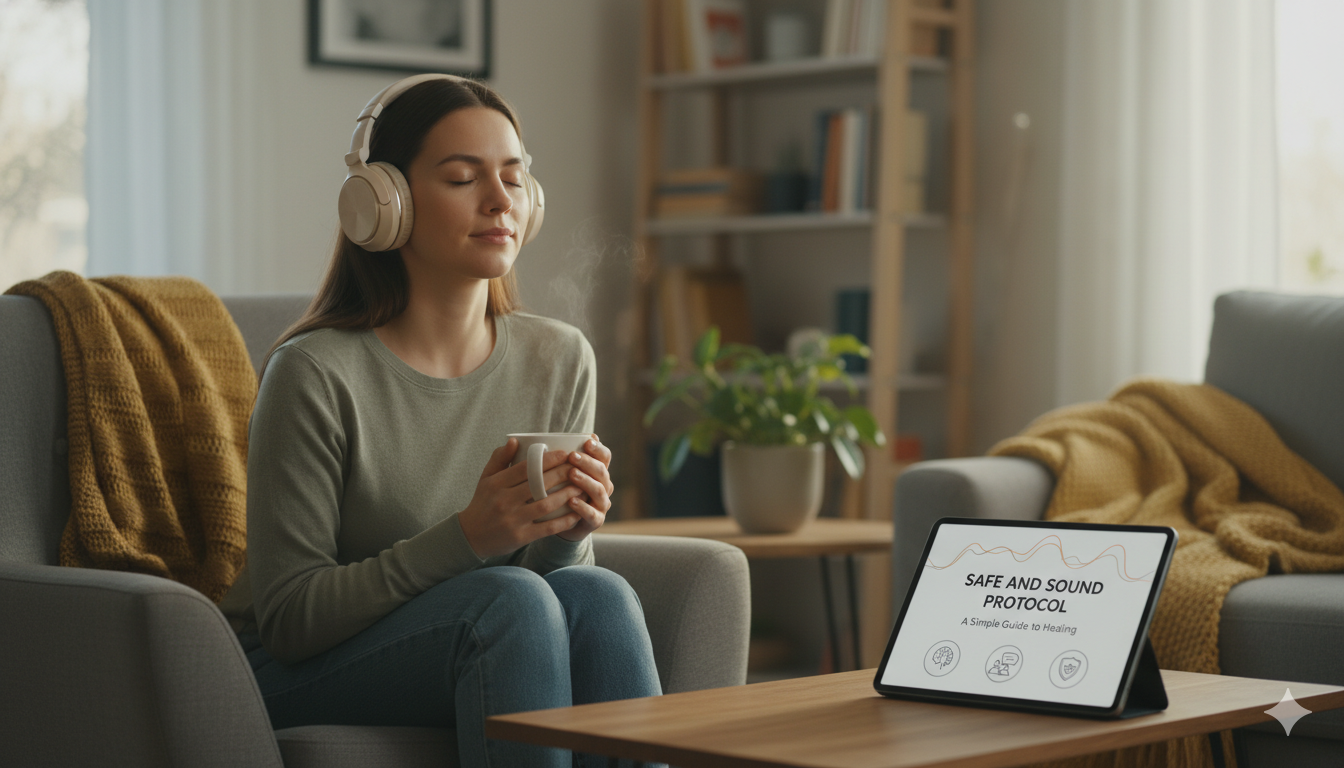
Have you ever noticed how a favorite song can change your mood instantly? The Safe and Sound Protocol takes that feeling and turns it into a powerful tool for healing. This program is not just about listening to music; it is a special way to help your brain feel calm. Many people struggle with feeling stressed or worried all the time. This happens because their nervous system thinks there is a “lion in the room,” even when things are fine. By using specially filtered music, this protocol teaches the brain to relax and listen for safety instead of danger. It is a gentle journey toward feeling better in your own skin.
What is the Safe and Sound Protocol?
The safe and sound protocol is a unique listening program created by Dr. Stephen Porges. It is based on something called the Polyvagal Theory. Don’t worry, that sounds fancy, but it just means understanding how our bodies react to stress. This program uses music that has been changed to focus on the frequencies of the human voice. When you listen, it works like a workout for your middle ear muscles. These tiny muscles help you tune into people talking and tune out scary background noises. It is like giving your nervous system a soft hug that tells it, “You are okay right now.”
How the Program Helps Your Brain
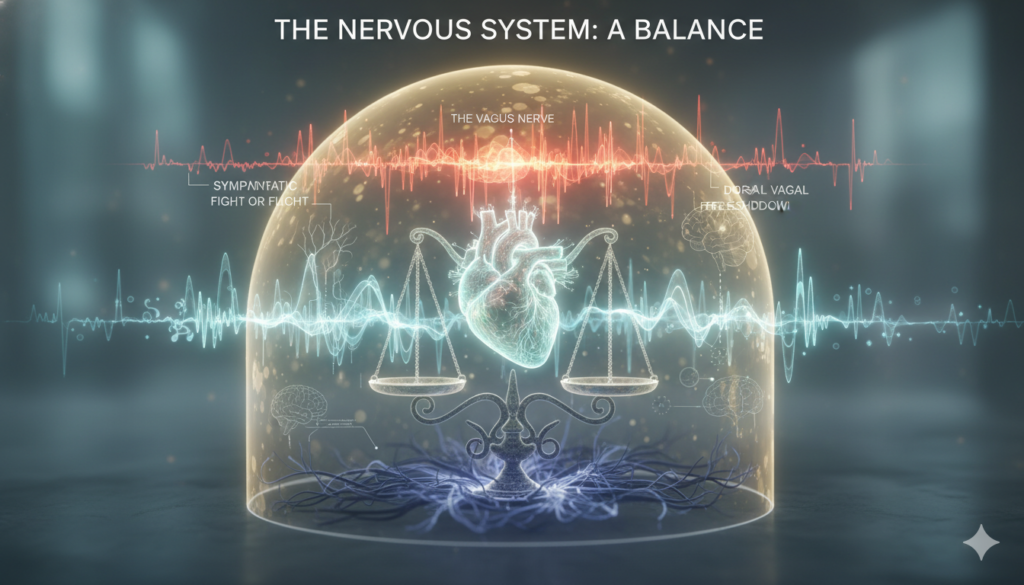
When we go through hard times, our bodies might get stuck in “fight or flight” mode. The safe and sound protocol helps “reset” this system. Think of your brain like a computer that has too many windows open. It starts to run slowly and gets hot. This protocol helps close those extra windows so everything runs smoothly again. By focusing on vocal sounds, the brain starts to realize it doesn’t need to be on high alert. This makes it easier to learn new things, talk to friends, and stay calm during a busy day at school or work.
A Look at the Simple Process
| Phase | What Happens | Main Goal |
| Preparation | Talking with a provider about your needs. | Feeling ready and safe. |
| Listening | Listening to filtered music through headphones. | Training the ear and brain. |
| Integration | Noticing changes in how you feel and react. | Making the calm feeling last. |
| Support | Working with a coach to stay on track. | Ensuring long-term success. |
Why the Middle Ear Matters
You might wonder why we focus on ears to help with stress. The safe and sound protocol targets the middle ear because it is connected to the nerves that control our heart and lungs. If your ear muscles are weak, you might hear “low” sounds too loudly, like a rumbling truck. These low sounds often signal danger to our primal brain. By strengthening these muscles with the safe and sound protocol, you become better at hearing “high” sounds, like a mom’s voice or a friend’s laugh. This simple shift can make the whole world feel like a much friendlier place to live in.
Who Can Benefit from This Program?
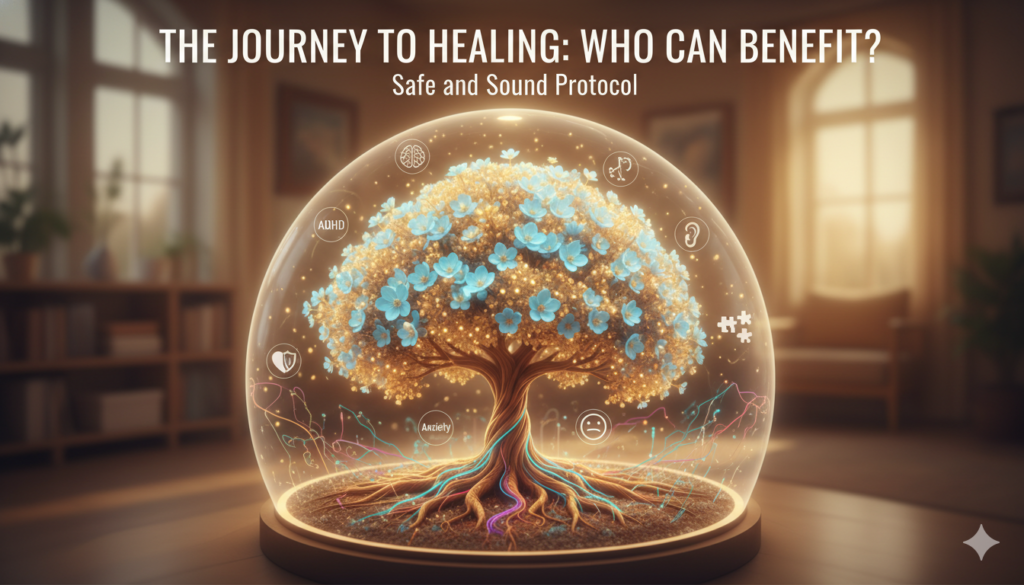
This protocol is wonderful for both children and adults. Many kids who have trouble with loud noises or big feelings find the safe and sound protocol very helpful. It is also great for people who have gone through scary events or have trouble focusing. If you often feel “jittery” or find it hard to make eye contact, this program might be a great fit. Because it is non-invasive—meaning no pills or surgery—it is a safe choice for many families. It helps build a foundation of safety so that other therapies, like talking to a counselor, work even better.
What to Expect During a Session
During a session of the safe and sound protocol, you will put on a pair of comfortable headphones. You will listen to music that might sound a little bit “thin” or “watery” at times. That is because the low and high sounds are being moved around to challenge your ears. Most people do this in a quiet room where they can draw, play with Legos, or just relax. It is important not to use screens like phones or TVs during this time. The safe and sound protocol works best when you are calm and focused on the sounds. It is a very peaceful way to spend an hour.
The Science of Feeling Secure
The safe and sound protocol is built on years of research about how humans connect. When we feel safe, our faces are expressive and our voices are melodic. This is called the “social engagement system.” If we are stressed, this system shuts down. The safe and sound protocol acts like a key that unlocks this system again. It helps the body move out of a defensive state and into a social state. When you are in a social state, it is much easier to make friends, solve problems, and feel happy throughout the day.
Real-Life Changes You Might See
After finishing the safe and sound protocol, many people notice small but important changes. A child might stop covering their ears when the vacuum runs. An adult might find they don’t get as angry in traffic. These are signs that the safe and sound protocol is working. You might feel more “grounded” or find it easier to sleep at night. It is not magic, and it doesn’t happen overnight, but the shifts are very real. It is about building a nervous system that is flexible and strong, rather than stiff and scared.
Tips for a Successful Experience
To get the most out of the safe and sound protocol, it helps to have a “safe person” nearby. This could be a parent, a spouse, or a therapist. Their calm presence helps your brain learn that it is okay to relax. Also, make sure you don’t rush the process. Some people need to listen for just a few minutes a day, while others can do more. The safe and sound protocol is a marathon, not a sprint. Listening to your body is the most important part of the journey. If you feel tired, it’s okay to take a break and try again later.
Working with a Professional Provider
It is always best to use the safe and sound protocol with a trained provider. These experts know how to watch for signs that your nervous system is changing. They can adjust the listening pace to make sure you stay comfortable. A provider acts as a guide, helping you understand the feelings that come up. Since the safe and sound protocol can bring up deep emotions, having a pro to talk to makes a big difference. They ensure that the environment remains supportive and that you reach your goals in a way that feels manageable and kind.
Frequently Asked Questions
Is the Safe and Sound Protocol a type of music therapy?
It is similar, but more specific. While music therapy uses songs for many goals, the safe and sound protocol uses specially filtered music to specifically target the nervous system and ear muscles.
How long does the whole program take?
The core program is usually five hours of listening. However, your provider might spread these hours over several days or weeks depending on how you feel.
Can I do the Safe and Sound Protocol at home?
Yes, many providers offer remote sessions. You will use an app on your phone and special headphones, but your provider will still check in on you regularly.
Does it hurt or have side effects?
It does not hurt at all! Some people might feel a little tired or sensitive to noise for a short time, but this usually means your brain is working hard to change.
What age is best for this protocol?
The safe and sound protocol is used for people of almost all ages, from toddlers to seniors. If someone can wear headphones and sit relatively still, they can usually do it.
Do I need special headphones?
Yes, you need over-the-ear headphones that do not have “noise-canceling” features turned on. This allows your brain to process the filtered sounds of the safe and sound protocol correctly.
Conclusion: Your Path to Peace
The safe and sound protocol is a beautiful way to help your body find its way back to calm. By simply listening to music, you can help your nervous system stop looking for danger and start looking for connection. Whether you are looking for help for your child or for yourself, this protocol offers a science-backed path to a quieter, happier mind. Remember, everyone deserves to feel safe and sound in their daily life. If you are ready to take the next step, reach out to a certified provider today and start your journey toward a more peaceful tomorrow!