

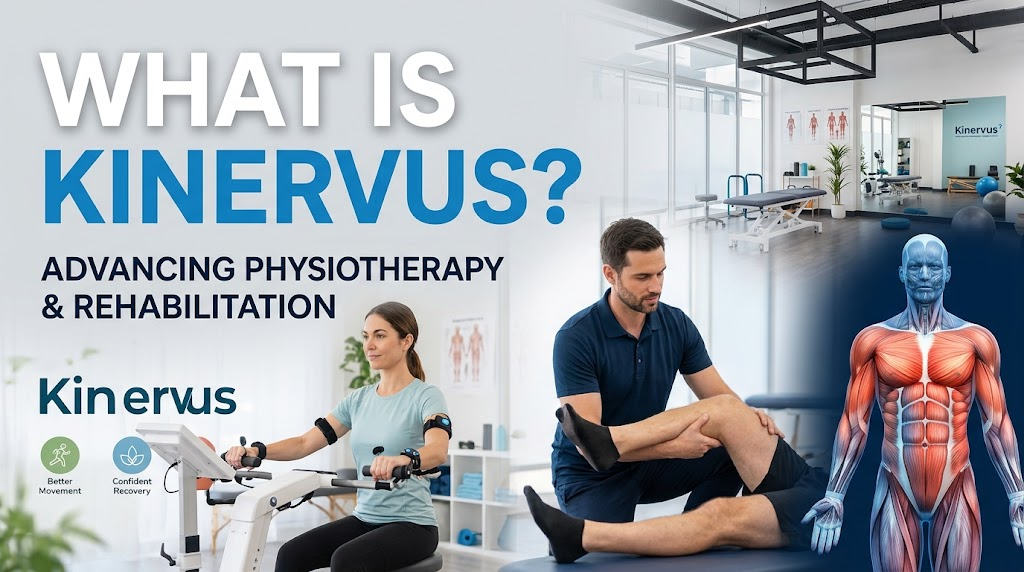
Kinervus is a modern model of physiotherapy and physical rehabilitation. The word blends two key concepts: “kine,” which relates to human movement, and “nervus,” referring to the body’s nerve networks.
Instead of treating a single sore muscle, Kinervus looks at the entire movement system. It evaluates how signals from your brain travel through your nerves to control your joints and muscles. This makes Kinervus especially effective for complex physical conditions.
How the Brain and Nerves Drive Movement
Every step you take requires smooth communication between your brain and your limbs. When an injury or illness disrupts these path signals, everyday tasks become much harder.
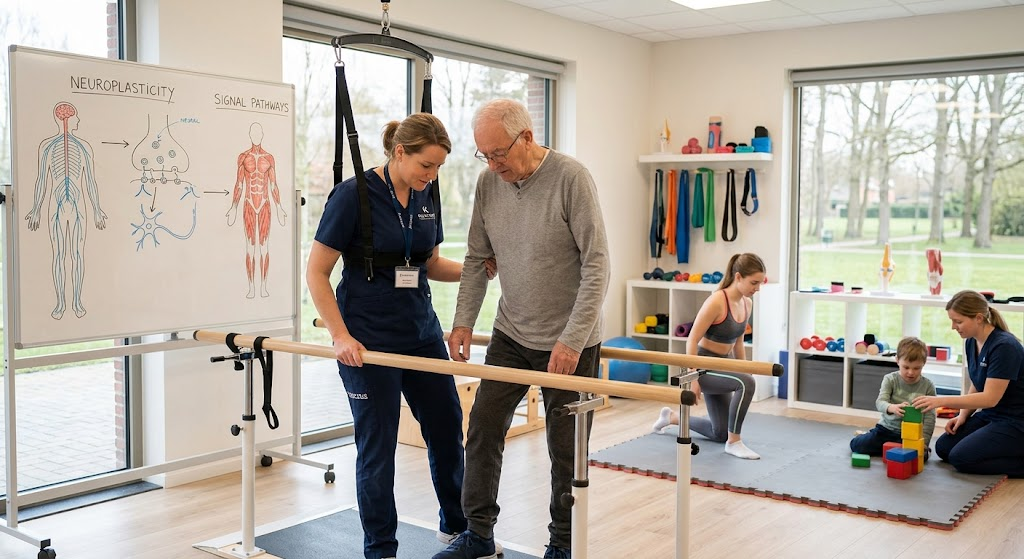
Kinervus utilizes the principle of neuroplasticity. This is your brain’s natural ability to form new neural pathways and retrain itself. Through targeted physical exercises, Kinervus helps re-establish these vital connections so you can regain control of your body.
Neurological Rehabilitation at Kinervus
Neurological conditions can significantly impact balance, muscle control, and walking ability. Kinervus provides dedicated support for individuals navigating these complex difficulties.
- Stroke Recovery: Retraining movement patterns to rebuild functional mobility.
- Parkinson’s Disease: Targeted stability drills to maintain posture and steady gait.
- Multiple Sclerosis: Structured routines to manage muscle stiffness and conserve energy.
Musculoskeletal and Joint Health
Beyond neurological care, Kinervus addresses everyday injuries and joint pain. Physical stress, poor posture, and sudden strains can restrict how freely you move.
Therapists assess joint alignment and muscle imbalances to resolve the root cause of discomfort. Through custom rehabilitation plans, Kinervus helps patients restore their natural range of motion safely.
Sports Injury and Performance Recovery
Athletes require targeted physical care to return to peak performance after an injury. Kinervus delivers structured sport-specific recovery routines designed to rebuild strength and endurance.
Key sports recovery techniques include:
- Targeted Muscle Activation: Rebuilding targeted strength around injured joints.
- Kinesiotaping: Supporting soft tissues without restricting movement.
- Dry Needling: Releasing deep muscle knots to relieve tension.
Pediatric Physiotherapy for Children
Children have unique physical needs as their bodies grow. Kinervus offers specialized pediatric care focused on physical motor development, posture, and coordination.
Therapy sessions for young patients are tailored to be engaging and supportive. This helps children build motor skills, overcome developmental delays, and participate comfortably in daily play.
Manual Lymphatic Drainage (MLD)
Kinervus also incorporates specialized manual therapy, including manual lymphatic drainage using the Vodder method.
This gentle technique uses light, rhythmic hand movements to encourage fluid flow throughout the lymphatic system. It is often recommended for managing lymphedema, reducing swelling after surgery, or speeding up tissue recovery.
Key Information Overview
| Category | Details |
| Primary Focus | Neurological & Musculoskeletal Rehabilitation |
| Origin / Location | Specialized Care Practice in Alken, Belgium |
| Core Philosophy | Connecting nervous system signals with muscle movement |
| Key Services | Neuro Rehab, Pediatric Therapy, Sports Recovery, MLD |
| Primary Goal | Restoring daily function, balance, and independence |
The Power of Individualized Care Plans
No two bodies recover at the exact same speed. One of the core tenets of Kinervus is moving away from generic, one-size-fits-all exercise sheets.
Every plan starts with a comprehensive evaluation of your movement patterns, current strength, and personal recovery goals. Therapists continually evaluate your progress and adjust exercises as your body gets stronger.
Group Therapy and Community Support
Rehabilitation can feel challenging, but working alongside others can offer motivation. Kinervus provides structured group therapy sessions, particularly for neurological patients.
Group sessions focus on shared activities like balance training, stamina building, and functional mobility exercises. Working in a small group creates a supportive atmosphere where patients encourage one another.
Why Movement Science Matters in Modern Healthcare
Physical health care has shifted away from simply treating pain symptoms. Modern practices prioritize functional independence, helping people perform daily tasks without assistance.
By focusing on movement science, Kinervus gives patients the physical skills and confidence to navigate their routines. Restoring proper movement reduces the risk of future injuries and improves overall quality of life.
How to Get Started with Kinervus Care
Beginning your recovery journey involves a clear, step-by-step process:
- Initial Assessment: A physical therapist reviews your medical history, mobility, and movement limitations.
- Goal Setting: You and your practitioner define clear targets, such as walking independently or returning to a sport.
- Active Therapy: Engage in personalized sessions featuring targeted exercises, manual techniques, and movement retraining.
- Ongoing Evaluation: Regular check-ins ensure your plan evolves as your movement improves.
Frequently Asked Questions
What does the name Kinervus mean?
The name combines “kine” (movement) with “nervus” (nerve). It reflects how physical movement depends on clear signals from the nervous system.
Is Kinervus only for people with neurological conditions?
No. While neurological rehabilitation is a core focus, Kinervus also provides musculoskeletal therapy, sports recovery, pediatric care, and lymphatic drainage.
How long does a typical rehabilitation program take?
Treatment length varies depending on your condition, physical health, and goals. Some post-injury plans take a few weeks, while neurological care may involve ongoing support.
What happens during the first consultation?
Your therapist will evaluate your movement, strength, joint mobility, and balance. They will then discuss your goals and map out a customized recovery plan.
Does Kinervus use manual hands-on therapies?
Yes. Therapists combine manual methods—such as joint mobilization, lymphatic drainage, and dry needling—with active physical exercise.
Can children benefit from Kinervus therapy?
Yes. Specialized pediatric care helps children improve coordination, motor development, posture, and physical confidence.
Kinervus bridges the gap between nerve function and muscle movement, offering a path toward sustainable physical recovery. If you or a loved one are working to regain mobility, exploring specialized rehabilitation with Kinervus can help you move forward with confidenc