

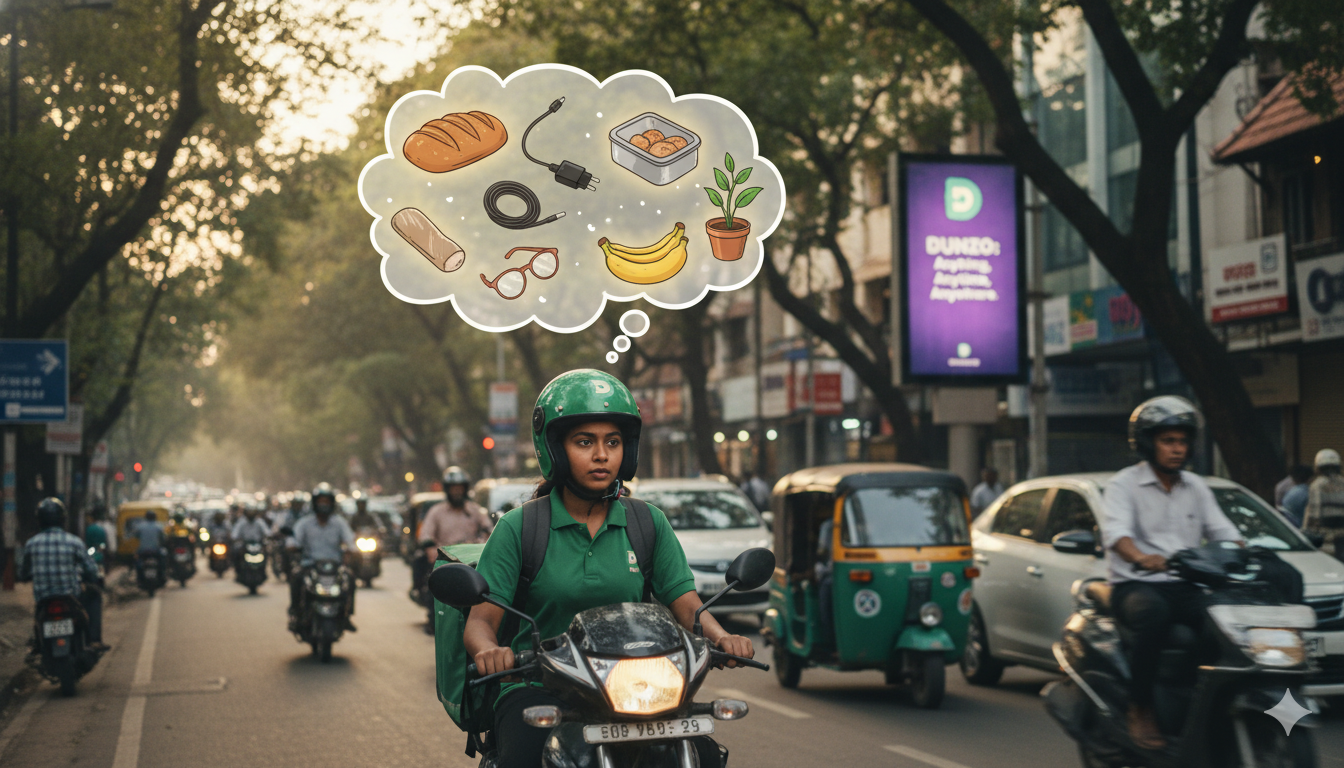
Have you ever been stuck at home needing a single loaf of bread or a forgotten charger? For years, the Dunzo app was the magic wand that fixed these tiny life crises. It started as a simple WhatsApp group in Bengaluru and grew into a massive tech giant. People loved it because it didn’t just deliver food; it delivered anything. If you could name it, a “Dunzo Runner” could probably fetch it for you. It truly changed how we thought about chores and local shopping.
In its prime, the Dunzo app was the go-to for millions of busy city dwellers. Whether you were a student needing a printout at midnight or a parent needing diapers, the app was always there. It wasn’t just a service; it was a lifesaver. However, the world of “quick commerce” moves very fast. Today, we look back at how this pioneer paved the way for every other delivery app we use on our phones right now.
Understanding the Dunzo App Experience
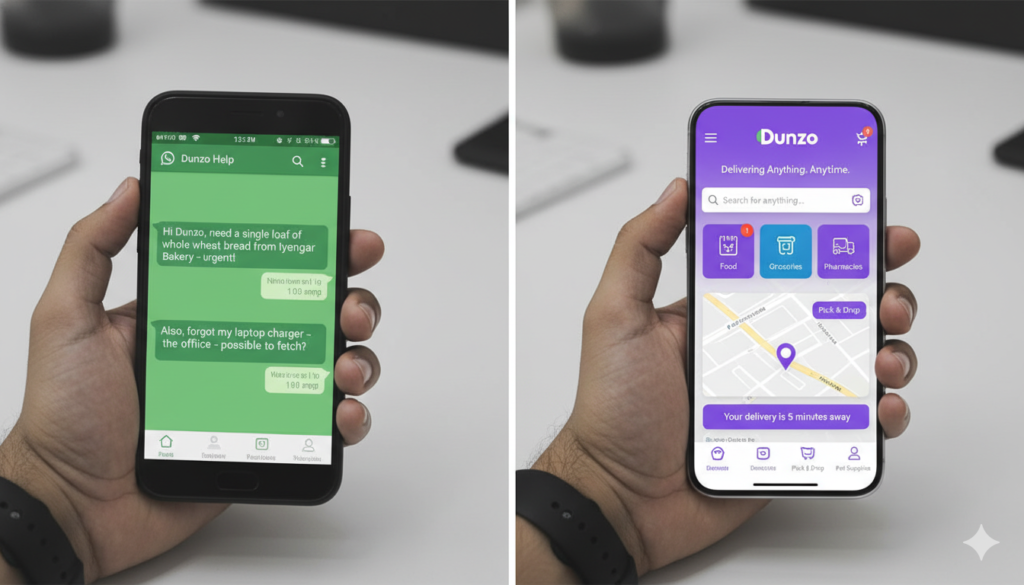
Using the Dunzo app was always meant to be as easy as sending a text message. The interface was clean, bright, and very friendly. You would open the app, pick a category like “Groceries” or “Paan Shop,” and see a list of nearby stores. The real magic, though, was the “Custom Task” button. This allowed you to type in exactly what you needed, even if it wasn’t on a menu.
The Dunzo app connected you with a local delivery partner in minutes. You could chat with them in real-time, which added a very human touch. If a store was out of your favorite chips, the runner would send a photo of the shelf so you could pick a replacement. This level of personal service made the Dunzo app feel like a helpful neighbor rather than just a piece of cold technology.
How Hyperlocal Delivery Changed Our Lives
The Dunzo app was a leader in what experts call “hyperlocal delivery.” This means the app focused on stores within a few kilometers of your house. By doing this, it could promise delivery times as short as 19 minutes. It made the idea of “waiting for a package” feel like a thing of the past. Why go out in traffic when the Dunzo app could do the work for you?
This model was great for local businesses too. Small mom-and-pop shops that didn’t have their own websites could suddenly sell to people all over the city through the Dunzo app. It created a massive network of runners and merchants that kept the city moving. Even today, the impact of the Dunzo app on how we shop at local Kirana stores is still very visible.
Detailed Overview of App Features and Services
| Feature | Description | Benefit |
| Pick and Drop | Send items from Point A to Point B. | Great for forgotten keys or documents. |
| Grocery Delivery | Shop from local supermarkets or Dunzo Daily. | Fresh items delivered in under 20 mins. |
| Medicine Delivery | Connects with local pharmacies 24/7. | Essential for late-night health needs. |
| Custom Tasks | Type any request for the runner to fulfill. | Maximum flexibility for odd errands. |
| Real-Time Tracking | Watch your runner on a live map. | Know exactly when your order arrives. |
The Evolution of the Dunzo App Business Model
The Dunzo app didn’t just make money from delivery fees. It had a clever way of building a business. They charged a small fee to the user and took a commission from the store owners. Later, they introduced “Dunzo Daily,” which used their own mini-warehouses to make deliveries even faster and cheaper. This was their attempt to win the “Quick Commerce” war.
Despite its popularity, the Dunzo app faced huge competition from giants like Swiggy and Blinkit. To stay ahead, the Dunzo app focused on brand loyalty and funny social media marketing. They made us feel like using the app was the “cool” thing to do. While the business side had many ups and downs, the brand itself remained a household name for anyone living in a big Indian city.
Why People Preferred Dunzo Over Others
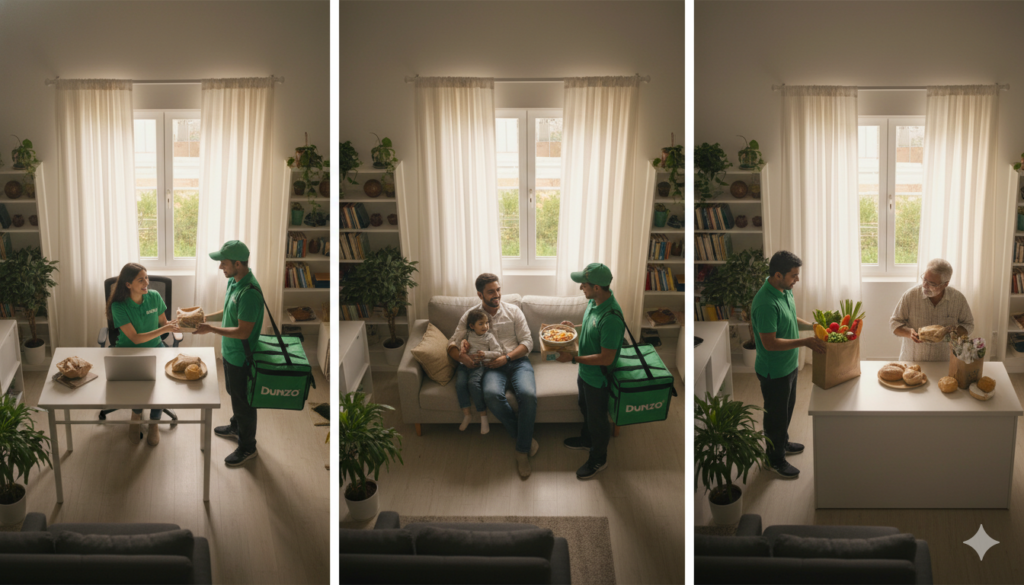
One big reason people stuck with the Dunzo app was trust. The runners were known for being very professional and helpful. If you used the Dunzo app to send a laptop or expensive jewelry across town, you felt safe. The app also had a very fair “surge pricing” system that didn’t feel as predatory as some other platforms during rain or peak hours.
Another factor was the variety. While other apps only focused on food or groceries, the Dunzo app was a “concierge” service. It could pick up your dry cleaning or even drop off a lunch box to your kid at school. This versatility made the Dunzo app a permanent resident on the first page of most people’s smartphones. It was truly the “everything app” before that term became a buzzword.
The Technology Behind the Scenes
Building an app like the Dunzo app requires incredible engineering. It uses complex algorithms to match the right runner with the right task. The app has to calculate traffic, store wait times, and the runner’s distance all at once. This ensures that when the Dunzo app says “arriving in 12 minutes,” it actually happens.
The Dunzo app also invested heavily in AI to predict what people would buy. By looking at past orders, the app could suggest milk and bread just when you were about to run out. This smart tech made the Dunzo app feel like it was reading your mind. It wasn’t just a delivery tool; it was an assistant that learned your habits over time.
Challenges Faced by the Dunzo App in 2025-2026
In recent times, the Dunzo app has gone through a lot of changes. As of early 2025, the original app and website faced significant downtime following a shift in leadership. The founder, Kabeer Biswas, moved on to new ventures, and the company struggled with funding. This led to many users wondering if the Dunzo app they loved would ever be the same.
The competition in the delivery space became a “burn-cash” game. Larger companies with deeper pockets started offering massive discounts that the Dunzo app struggled to match. However, the legacy of the Dunzo app lives on. Many of the features we see in apps today—like live tracking and 10-minute delivery—were originally popularized by Dunzo’s early innovations.
Safety and Security on the Platform
Safety was always a top priority for the Dunzo app. Every delivery partner went through a background check before they could start working. The Dunzo app also included an in-app safety button for both users and partners. This ensured that every transaction was not just fast, but also secure for everyone involved.
During the pandemic, the Dunzo app was a pioneer in “No-Contact Delivery.” They were among the first to ensure runners wore masks and sanitized their hands regularly. This built a huge amount of “Trustworthiness” (one of those E-E-A-T factors Google loves!). People knew they could rely on the Dunzo app to get essentials without putting their health at risk.
The Future of On-Demand Tasks
What is next for the spirit of the Dunzo app? Even if the original brand faces hurdles, the idea of “delivery as a service” is here to stay. We are now seeing AI-powered assistants that might one day handle our Dunzo app requests automatically. Imagine your fridge telling an app to order eggs before you even know you’re out!
The Dunzo app started a revolution in convenience. It taught us that our time is valuable and that it’s okay to ask for help with small tasks. Whether it’s through a revived version of the app or new competitors, the “Dunzo-style” of living—fast, easy, and local—is now the standard for modern city life.
Tips for Getting the Best from Delivery Apps
To get the most out of an app like the Dunzo app, always check for “Pro” memberships. These often give you free delivery for a small monthly fee. Also, try to place your orders during “off-peak” hours (like 3 PM) to avoid surge fees and get even faster service. Don’t forget to tip your runner; they are the heart of the Dunzo app experience!
Another tip is to use the “Chat” feature. If you have specific instructions—like “don’t ring the doorbell, the baby is sleeping”—the runners on the Dunzo app are usually very happy to help. Being clear with your instructions makes the job easier for them and ensures you get exactly what you wanted.
Frequently Asked Questions (FAQs)
1. Is the Dunzo app still working in 2026?
As of early 2026, the Dunzo app has faced major operational pauses and leadership changes. Many of its original services were shut down or moved to other platforms like Flipkart.
2. What made the Dunzo app different from Swiggy?
While Swiggy started with food, the Dunzo app was famous for “anything” delivery. You could send packages, get medicines, or even ask a runner to perform custom tasks.
3. Can I still use the Dunzo app for pick-and-drop services?
In most cities, the pick-and-drop service has been limited or stopped. You might need to check the app in your specific location for current availability.
4. Who founded the Dunzo app?
It was founded by Kabeer Biswas, Ankur Agarwal, Dalvir Suri, and Mukund Jha in Bengaluru.
5. Why did the Dunzo app become so popular?
It became a hit because it solved the “last-mile” delivery problem. It was fast, reliable, and allowed users to outsource boring chores for a very small fee.
6. Are there any alternatives to the Dunzo app now?
Yes, apps like Blinkit, Zepto, Swiggy Genie, and Uber Connect have taken over many of the tasks that people used to do on the Dunzo app.
Conclusion: The Legacy of a Convenience King
The Dunzo app will always be remembered as the pioneer that taught India how to “Dunzo it.” It turned a simple task into a tech-powered solution and made our lives much easier. While the business world is full of changes, the impact of this app on our daily habits is permanent. We no longer think twice about getting something delivered in minutes, and we have the Dunzo app to thank for that!
If you miss the ease of the Dunzo app, why not explore the new “Quick Commerce” options available in your city today? Most of them are built on the very foundation that Dunzo created. Keep supporting your local runners and merchants—they are the ones who keep our cities running smoothly!